Learning Outcome #1
Conceptualize, Design, and Develop Interactive Media Products
You create engaging concepts and translate them into interactive validated media products by applying user-centered design principles, visual design techniques and by exploring emerging trends and developments in media, design and technologies.
Evidences

Portfolio
Link: Figma Prototype
Introduction
I created a new version of my Figma portfolio that presents my idea more professionally while
maintaining my personality and branding through my website design.
Inspiration
I conducted benchmark creation and design pattern search using existing websites such as
Pinterest and Behance, which allowed me to see the trends for a cleaner and minimalist
approach to design that gives a professional feel to the users.

Mood Board
From here, I created the mood board for the website. I focused on using sea-related colors,
clean text styles, and short content to integrate my concept of a “Tropical Coast” then a clean
and minimalist approach to the layout.

First Iteration
Then I proceeded to create the Lo-Fi prototype of my website, which was made from the
website I collected and an example provided by the teacher. I found that I want the structure of
my portfolio to be straightforward. So, I aim for elements such as photos of my works, concise
text, and enough negative space to ensure that my audience will experience the brand identity
of the “calmness” of Tropical Coast.

Feedback

Second Iteration
For the second iteration of the Lo-Fi structure, I removed the project information to make it less
wordy and lengthy. Then, the reflection and “what have I done” section is merged.

Third Iteration
The third iteration is the creation of the Hi-Fi prototype. After reviewing all the possible layouts
and structures I have for the portfolio, I started to implement the elements that align with my
theme, “Tropical Coast,” and the existing design of my inspirations. The sea inspires the main
homepage, showcasing a moving GIF of waves near the shore. Additionally, elements of waves,
sands, tropical leaves, and seashells are incorporated as one of my inspirations from Pinterest.
To ensure that the design remains minimalist, the boxes and the roundings of corners are
uniformly applied, and the fonts used are clean and robust in their features to maintain a
professional look.

Feedback

Fourth Iteration
For the fourth iteration, I implemented a new structure to merge the information of the projects
and learning outcomes; therefore, I removed the supposed pop-up page for project information
and merged this with the learning outcomes from my portfolio. I simply implemented a dropdown
area for the evidence and projects in the learning outcomes, which will showcase more details
of that specific evidence when the users click it.

Feedback

After receiving approval for the overall design, I proceeded to code my website. I coded the
website's layout, texts, and animations. The website must be coded correctly so the needed
actions and interactiveness from Figma can also be seen on the website. Other details and the
process of my coding process may be viewed here.
Reading Guide
First Iteration
I first made the reading guide in word format, which is composed of information about myself,
what I want to achieve in the future, and projects I worked on previously that I want to
showcase. I added clean, professional designs to avoid a word-heavy document before moving
it into the InDesign layout.
Link: Reading Guide v1
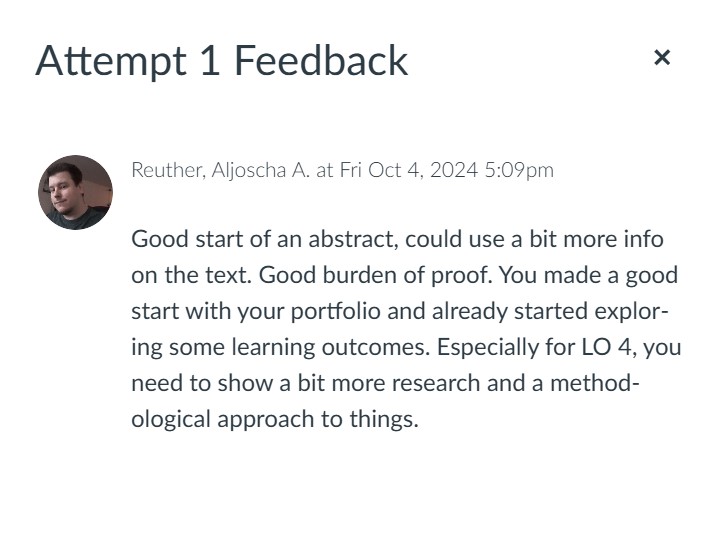
Feedback
Inspiration
I browsed through Pinterest to find inspirations related to a tropical theme and beach vibes (this
is what I'm going for). I decided to create a Pinterest board where I compiled everything to get
an overview of my design inspirations.
Link: Pinterest Board
Second Iteration
For the redesign, I focused on keeping it similar to my portfolio theme while maintaining a
professional look. My color palette includes blue and yellow (not in high contrast) because I
want to incorporate lively colors instead of low-saturated ones. I made sure to add page
numbering to important content sections, such as Introduction, Studio Branding, Client Project,
and Burden of Proof, so the reader will know the sequence of each page.
Link: Reading Guide v2
3D Visual Representation
Introduction
I created a 3D visual representation of the idea that our group had been able to brainstorm
together. To make this piece, I collaborated with my 2 groupmates, and together we
brainstormed the topic we wanted to create in 3D. From here, we decided to focus on the idea
of synergy and fun.
Process
So I started by using a research method called Benchmark Creation, where I browsed online for
inspiration related to the concept of synergy and fun, and I was able to see pictures of mascot
hands and puzzle pieces. Then I also looked at the website that our teacher suggested and
found things like Puzzle Pencil Holder and Modular Puzzle Containers, which strengthened our
idea of using the puzzle pieces as part of the design we wanted to create.
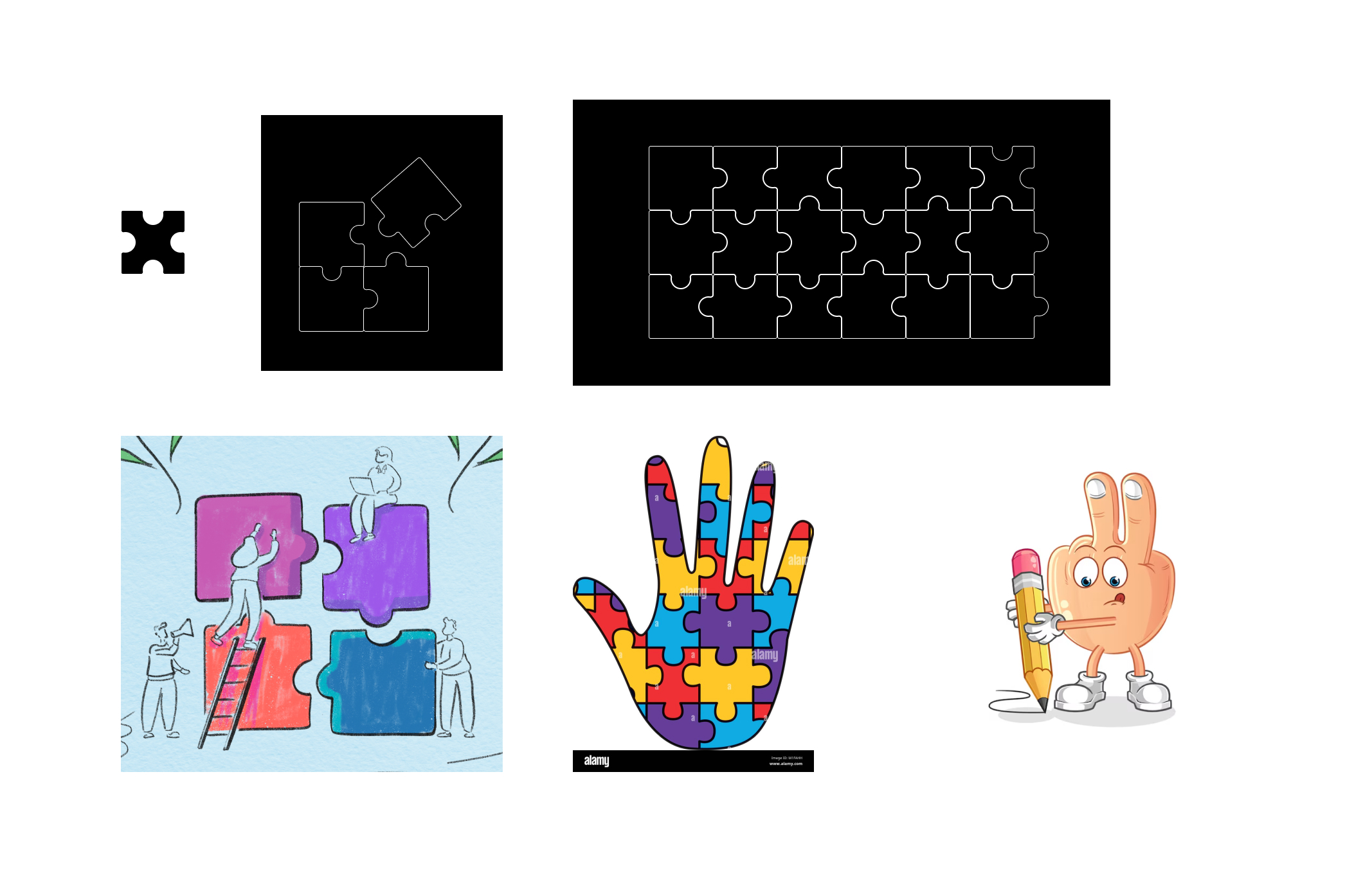
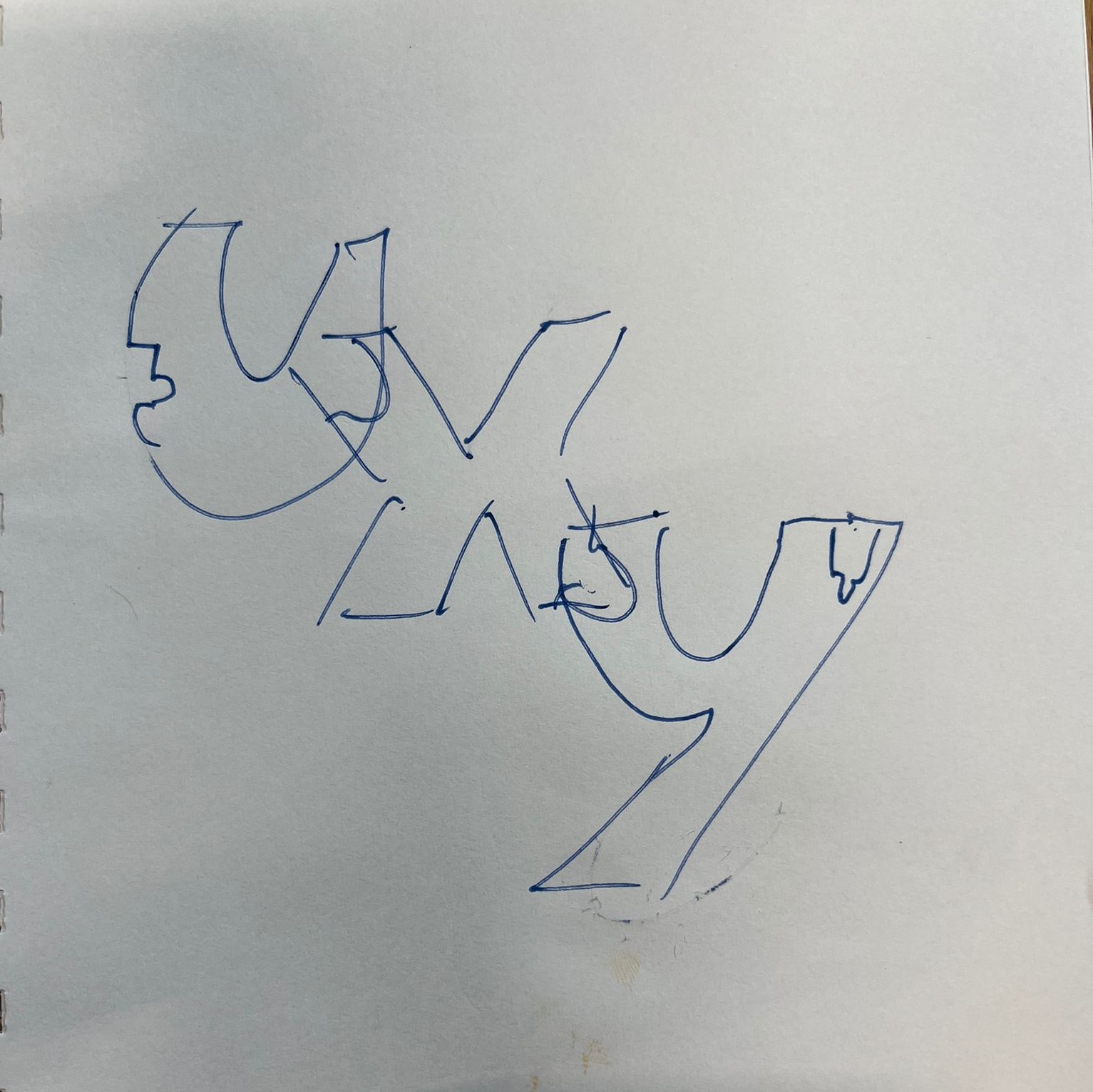
We showed our ideas to the teacher, and from there, the group wanted the logo to be interactive
and resemble puzzle pieces. I then created our sketch, designing the edges to look like
interlocking puzzle pieces. That's where I proposed that the X serves as the missing piece.
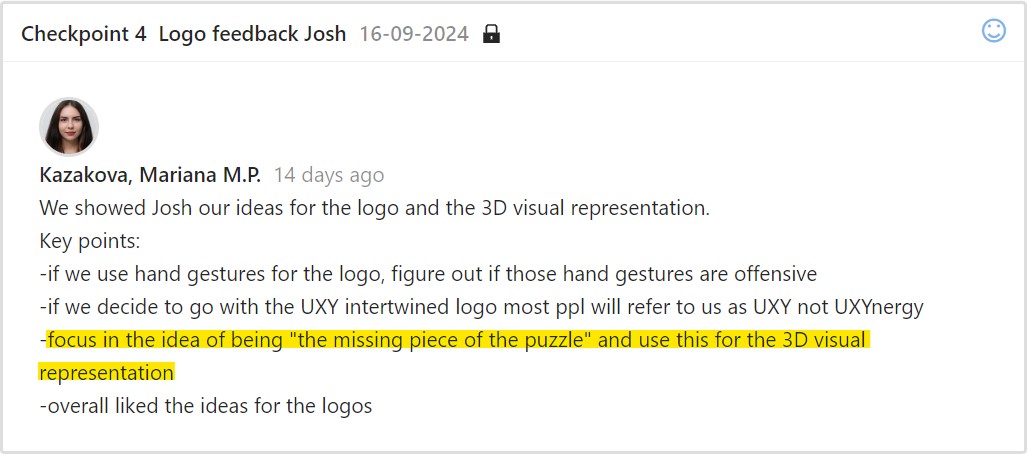
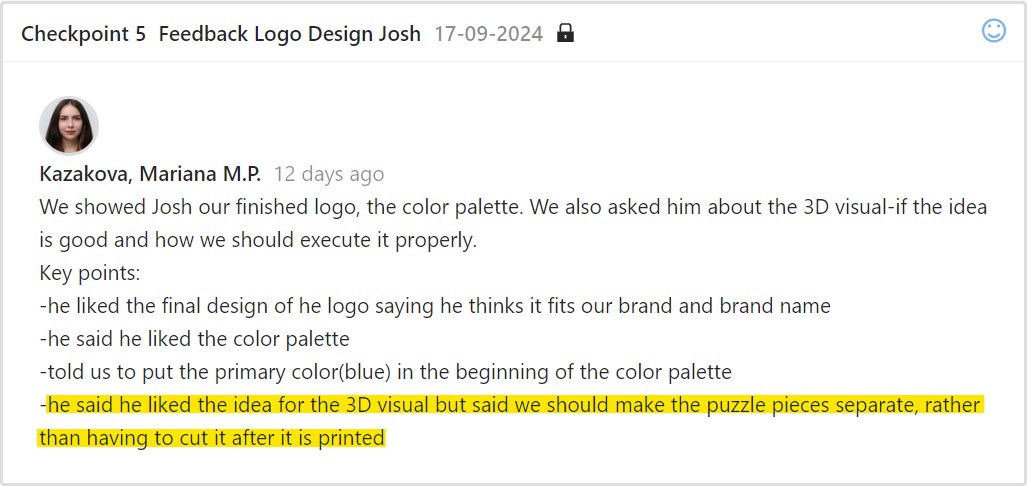
To validate our work, we showed the teacher our final idea; he said he liked the concept for 3D
visuals.
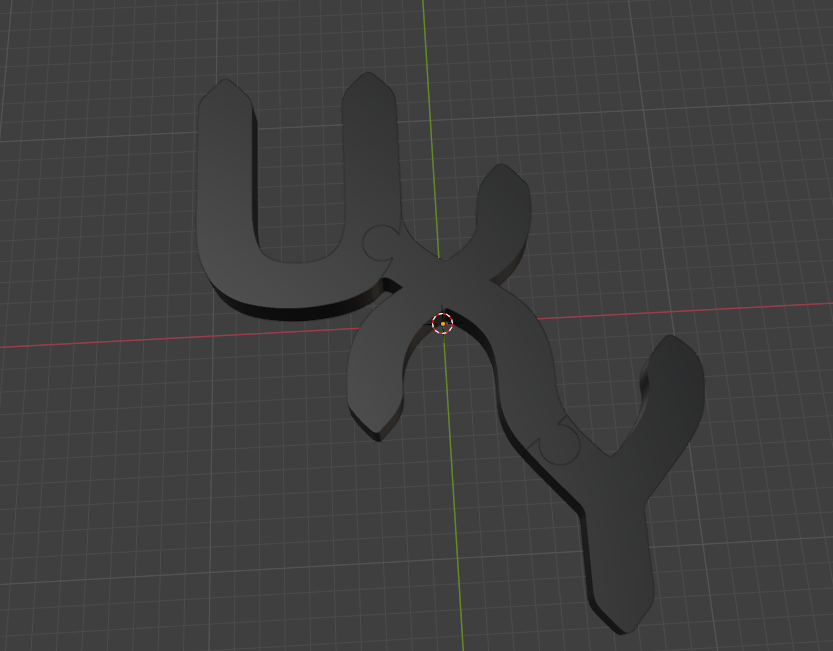
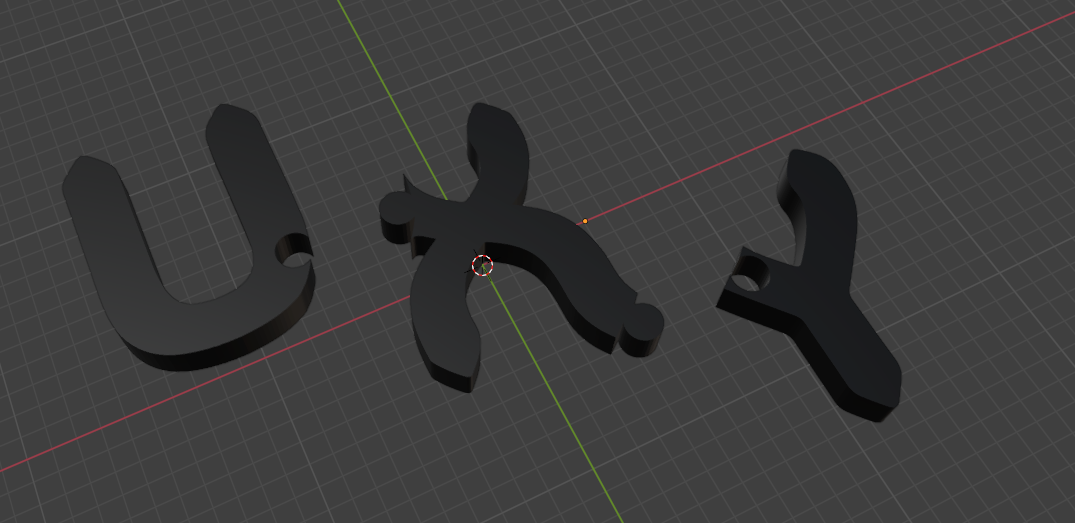
For the finalization, I used Blender to make the 3D model. After finishing the design, I showed it
to my groupmates, and they liked it. Currently, I am waiting for the pieces to be printed.

Brainstorming
Introduction
Our group brainstormed for ideas we have in mind on what we're planning to do for the project.
To guide this process, we used 2 different techniques: Brainwriting and Lotus Blossom.
Brainwriting
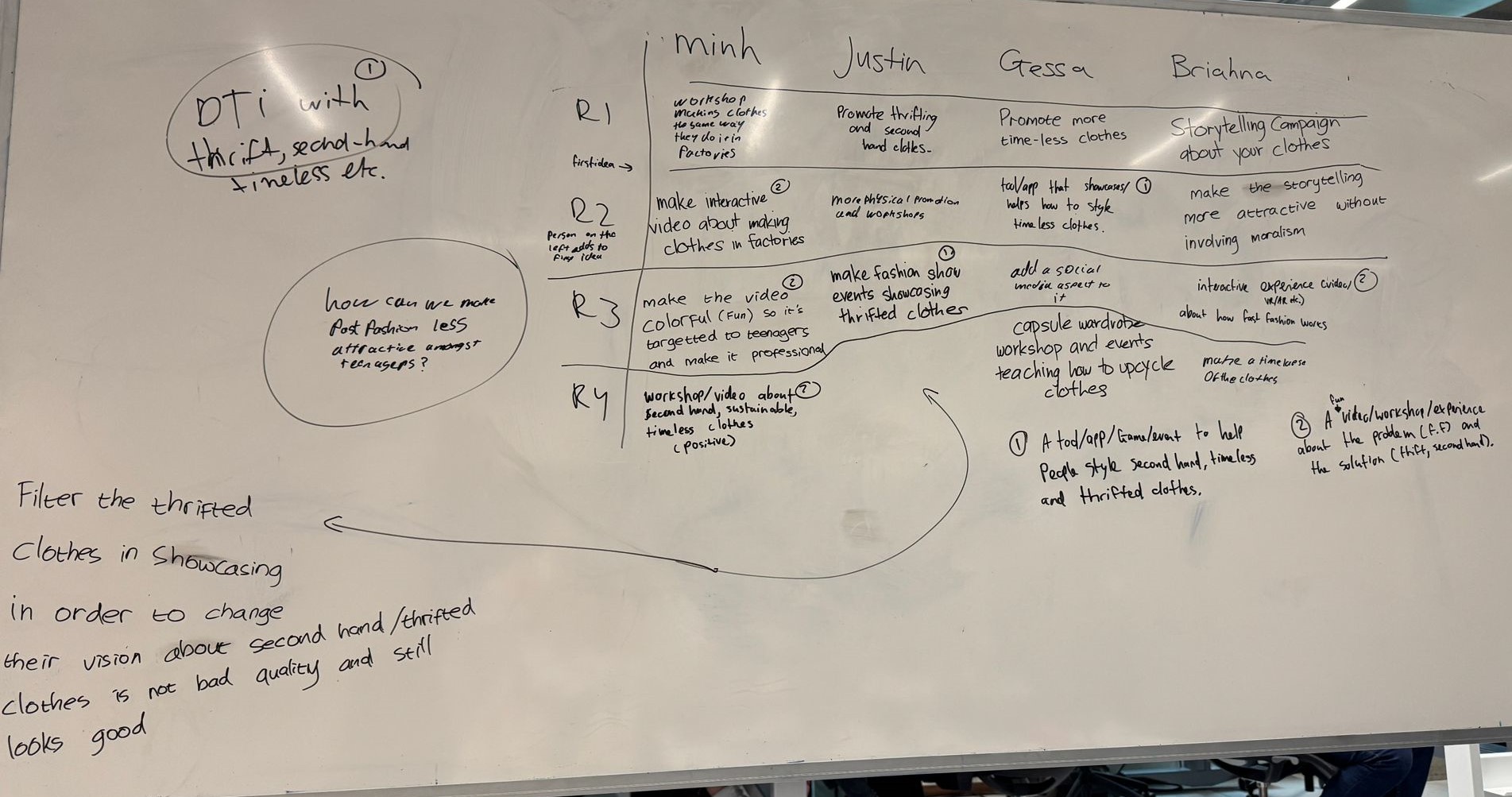
Together with 3 other members who were present that day, we first conducted brainwriting which
involves discussing ideas to create the best solution. We answer the question: “How can we
make fast fashion less attractive amongst teenagers?” So from our brainwriting, we gathered:
seek workshops, encourage youth to purchase from second hand/thrift stores, promote timeless
clothes and storytelling.
Lotus Blossom
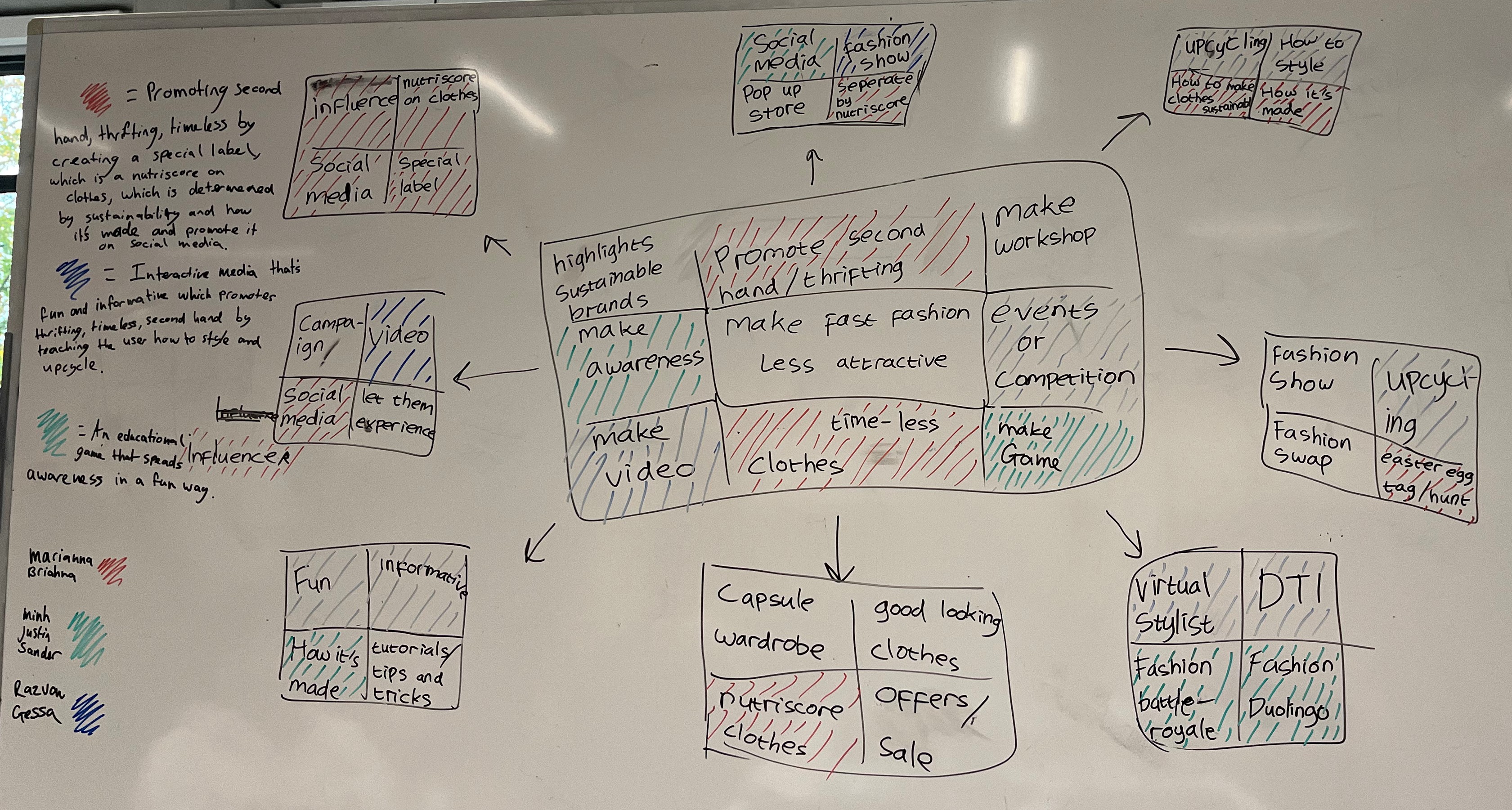
After the brainwriting, we then proceed to lotus blossom with all members present. Since the
same central design idea (from brainwriting) applied to this method, we divided it into 3 aspects:
usability, technology, engagement. This allowed us to have a more detailed discussion of how
we can spread awareness, promote timeless clothes, have workshops, and other activities we
can do.
Concept
After the Lotus Blossom technique, we came up with 3 concepts.Then, we created subgroups
and did research on our chosen topics. Mariana and I are in the same subgroup and our
concept is “Promoting sustainable clothing by creating a special label, which is an “Eco-score”
for clothes”. This is determined by the sustainability and production of clothing brands.
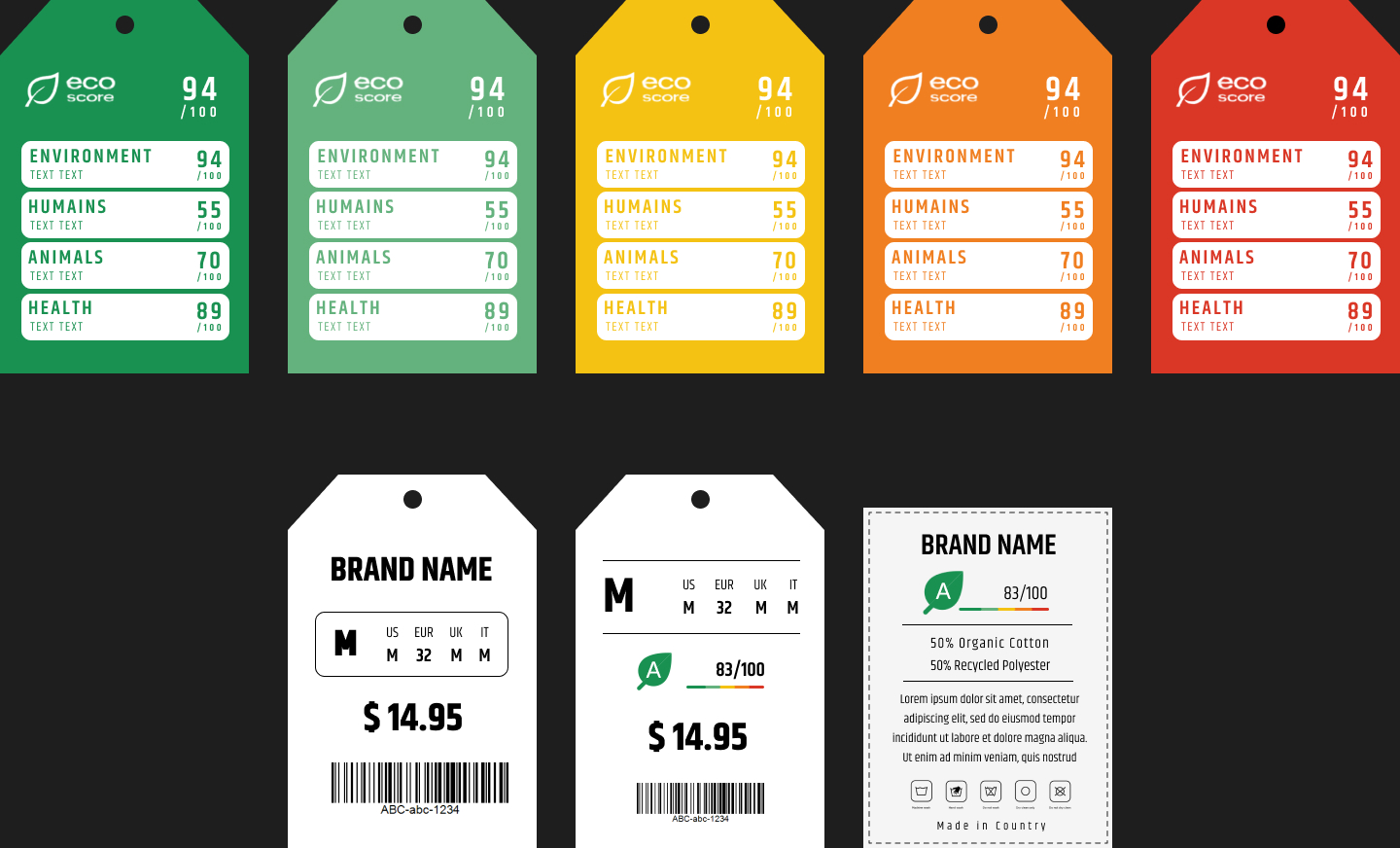
After conducting research, I created a price tag and wash tag to have a creative representation
of Mariana and I's eco-score concept. I color-coded the price tag, added an app-inspired rating
and included an eco-score label, while the wash tag also displayed the eco-score label, with 'A'
representing an environmental-friendly product and 'E' as the lowest rating.
Link: Figma Prototype